

KEY TAKEAWAYS
The Tehran Trapdoor: While the market celebrates the potential for “regime change” following Khamenei’s death, the immediate structural reality is a 50% surge in shipping insurance costs which threatens to paralyze Gulf trade corridors.
The Afghanistan Contagion: The outbreak of “open war” between Pakistan and Afghanistan creates a secondary front that jeopardizes the IMF’s export recovery targets for Islamabad, increasing idiosyncratic risk.
The Middle Power Pivot: India’s calculated deepening of ties with “middle powers” like Canada and the EU confirms our thesis of strategic hedging against US tariff volatility and Middle East instability.
The Alpha: We are moving to a Cautious stance on Gulf-dependent energy exporters while remaining Constructive on India’s diversified trade architecture.
THE TEHRAN TRAPDOOR
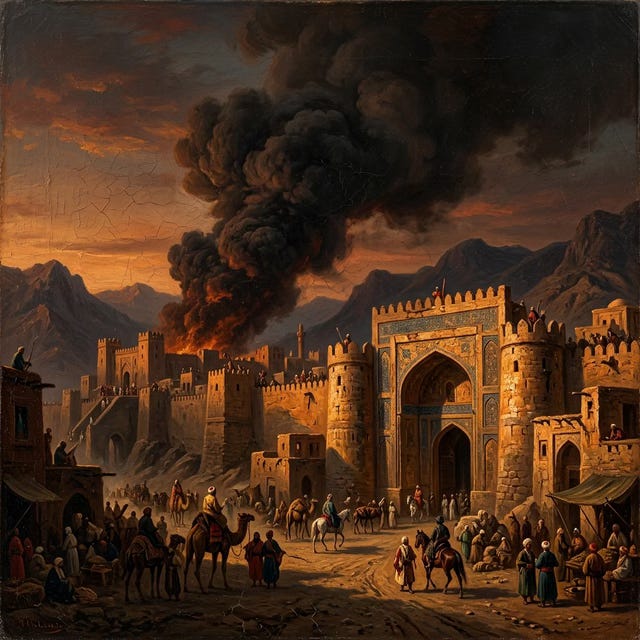
The market spent the weekend reacting to the kinetic theater of ‘massive’ strikes on Iran, mistaking a geopolitical escalation for a clean-cut path to regime change. The confirmation of Ayatollah Ali Khamenei’s death combined with US-Israeli air operations has triggered a rush into ‘regime change’ proxies, with the narrative suggesting a pro-Western pivot is imminent. The price action implies a best-case scenario where the Middle East’s primary disruptor is neutralized, supposedly opening a golden era for Mediterranean and Gulf trade. However, this optimism ignores the second-level reality: the structural plumbing that connects the Middle East to global markets—specifically the Strait of Hormuz—is now under its most acute threat since 1988. The market is pricing the “end of the regime” while the shipping data is pricing the “end of the corridor.”
REGIME CHANGE VS. PLUMBING FAILURE
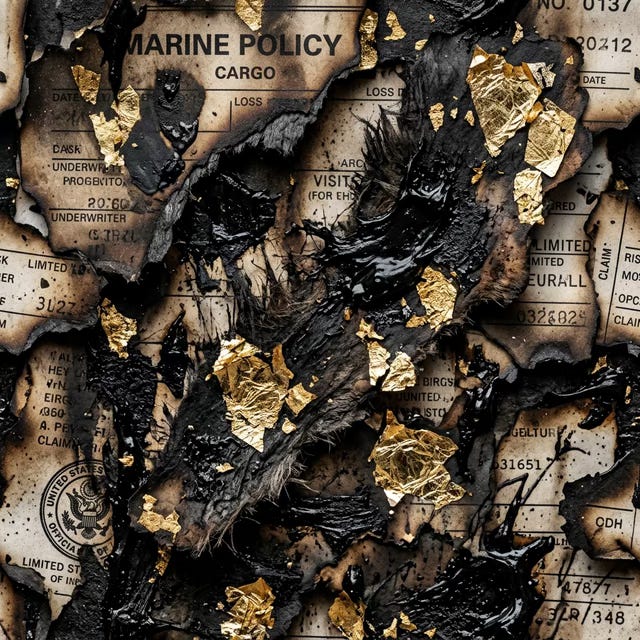
The immediate structural casualty of the weekend’s escalation is not the Iranian state apparatus, but the global insurance architecture that underpins energy flows through the Gulf. As we have consistently flagged, institutional liquidity requires a functioning insurance market; currently, brokers are cancelling policies and raising cover prices by 50% following the retaliatory strikes on the UAE and Saudi Arabia. This development makes the IMF’s October baseline—which assumed Brent at $72/bbl and stable regional transit—mathematically obsolete. Even if the ‘massive’ strikes achieve their military objectives, the “Insurance Bind” creates a persistent inflationary tax on every barrel of oil and every container transiting the Strait of Hormuz, compressing Net Foreign Assets (NFA) for net importers like Thailand and Pakistan.
Beyond the headline flares, the “Plumbing” check reveals a significant divergence between market euphoria and the reality of Import Cover availability. The IMF’s latest Debt Sustainability Analysis (DSA) for regional sovereigns relies on a “contained conflict” scenario; the current reality of “open war” between Pakistan and Afghanistan, alongside the Iranian chaos, suggests a breakdown in the primary trade balances of multiple frontier nations. We are seeing signs of capital flight in local currency markets as the “convenience yield” of holding EM paper evaporates in the face of shipping paralysis. The market is effectively betting on a “V-shaped” political resolution while the technical plumbing—measured by primary deficits and amortization schedules—is being choked by a surge in risk premiums that no central bank can sterilize.
THE CORRIDOR CONTAGION
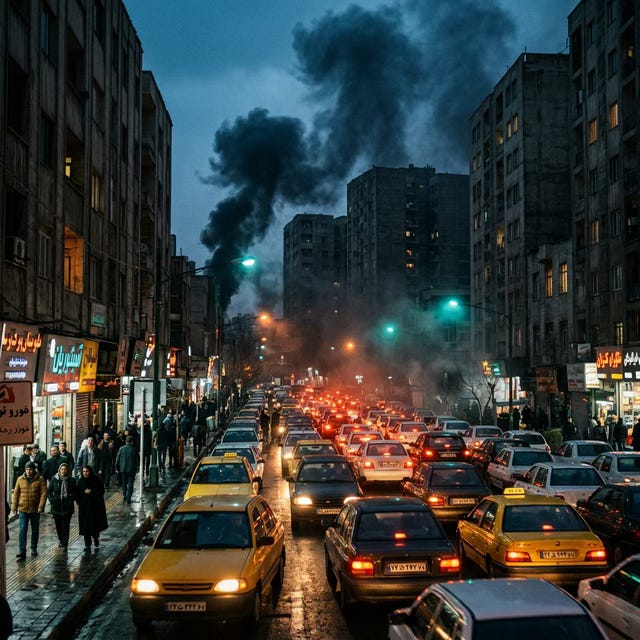
How does a plume of smoke over Tehran translate into a solvency crisis in Islamabad or a trade hedge in New Delhi? For Pakistan, the geopolitical geography has mutated into a pincer move; as they launch “open war” with Kabul, the secondary impact of Iranian shipping disruption threatens the very export recovery mandated by their current IMF EFF program. The “Delhi Decoupling” thesis we initiated in January is now receiving its ultimate validation. By deepening ties with ‘Middle Powers’ like Canada and India during this rupture of the global order, New Delhi is successfully positioning itself as the “Anchor” in a sea of “Drift.” India is effectively monetizing its strategic distance from the Mar-a-Lago military interventions, creating a distinct value proposition for the institutional bondholder.
The “Canary” in the current environment is found in the deteriorating value of impounded Russian assets, a signal of systemic “Sanction Fatigue” and collateral decay. As yachts and other seized assets lose hundreds of millions in value in European ports, we see a microcosm of the risks facing sovereign holders of sanctioned paper. The shift from “no new wars” to “regime change” in the US administration’s rhetoric implies a prolonged period of high-stakes military intervention that the market’s current “Goldilocks” volatility levels are incapable of digesting. We see a structural break in the linkage between global energy prices and EM credit; the usual positive correlation for exporters is being broken by the prohibitive cost of ensuring the physical flow of goods.
THE ASYMMETRY LEDGER
We are Cautious on Pakistan 2027s; the “open war” with the Taliban creates an idiosyncratic risk that overrides any potential benefit from regional “regime change.”
We are Constructive on India Local Currency; the “Middle Power Hedge” provides a structural buffer against both US tariff volatility and Gulf instability.
We move to Overweight on South Korean Tech proxies; the lifting of Google Maps data restrictions is a minor but significant signal of a regulatory thaw that positions Seoul as a reliable “Deep Tech” hub amidst regional chaos.
We are Underweight on Egypt and Jordan tourism and logistics paper; the “Tehran Trapdoor” ensures that Mediterranean risk premiums will remain elevated regardless of the outcome on the ground.
THE MIRAGE OF KINETIC RESOLUTION
The worst errors in sovereign strategy are made when the market mistakes a kinetic explosion for a fundamental resolution. While the headlines are captivated by the imagery of plumes of smoke and the fall of icons, the strategic reality is that the “Tehran Trapdoor” has dropped the floor out from under the global insurance and shipping plumbing. A “Regime Change” that leaves the Strait of Hormuz uninsurable is not a recovery; it is a structural tax on global growth that the IMF has yet to model. The “Middle Power” survivors will be those who identified the drift early and built their own anchors. Position accordingly.
Regards,
Sovereign Dispatcher