

Key Takeaways
The Plumbing over The Politics: While headlines focus on the death of Ayatollah Khamenei and the risk of a military blockade, the binding constraint is the plumbing of the insurance market. Shippers cannot transit Hormuz without war-risk coverage, which is being rapidly withdrawn.
The Structural Inflation Reality: The IMF REO highlights that despite this immediate geopolitical shock, structural inflation in the broader GCC and EM/MI economies has underlying nuances that cannot be painted with a single broad brush.
Frontier Importers vs. Exporters: The “Hormuz Premium” creates severe, immediate cash flow challenges for heavily oil-dependent importers without IMF backstops, while offering a temporary windfall for non-Hormuz energy exporters.
MISPRICING THE UNDERWRITER'S STRIKE
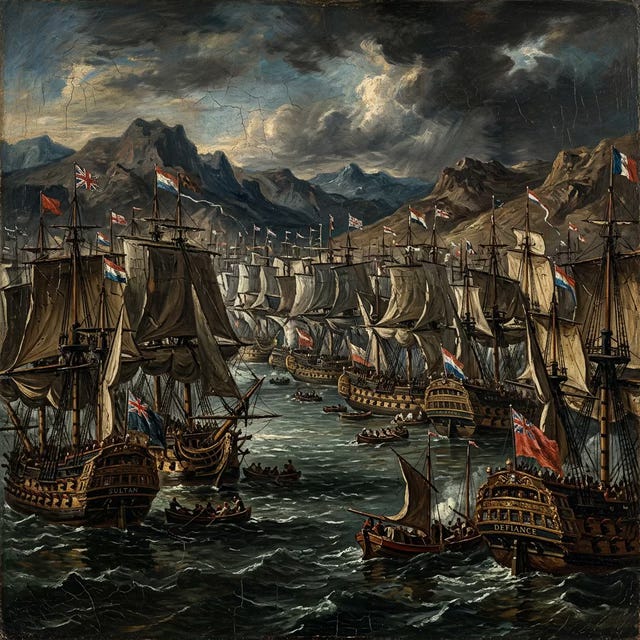
The sell-side is scrambling to misprice the duration of the current Middle Eastern shock. Gramercy’s “Middle East Developments and Market Implications” note correctly identifies the death of Ayatollah Khamenei as a profound destabilizer, but the Street is hyper-focused on the spectacle of military conflict. The standard narrative assumes a prolonged physical blockade of the Strait of Hormuz. In contrast, BofA’s CIO letter attempts to frame consumer resilience in the US as a buffer, and BlackRock’s Weekly Investment Commentary highlights broader geopolitical fragmentation. Yet, the Street misses the critical plumbing detail Gramercy flagged: it doesn’t require a military blockade to stop oil; the withdrawal of war-risk insurance coverage alone achieves the same effect. This isn’t a military shock; it’s an underwriter’s strike.
IMF SOLVENCY MATH VS. GEOPOLITICAL PANIC
To audit this geopolitical panic, we must cross-reference the Street’s short-term hysteria with the IMF Regional Economic Outlook (REO) for the Middle East and Central Asia. The IMF data reminds us that structural inflation and fiscal balances in the GCC region were already undergoing complex transitions before the current escalation. The disruption of 20% of global oil flow through Hormuz creates an immediate terms-of-trade shock. However, the IMF’s structural lens shows us that economies with deep fiscal buffers (like Saudi Arabia or the UAE, assuming their pipelines to the Red Sea or Gulf of Oman remain operational) will handle the insurance-driven disruptions differently than cash-strapped frontier economies. The narrative isn’t just “oil goes up”; it’s “who has the fiscal space to absorb the insurance premium?”

THE HORMUZ LAG IN EMERGING MARKETS
What does the “Hormuz Premium” mean for the broader frontier? The first-level thinker yells, “Buy oil!” The second-level thinker analyzes sovereign balance sheets. For heavily oil-dependent frontier importers (e.g., Pakistan, parts of Sub-Saharan Africa) that are already struggling with hard currency shortages and lack proactive IMF backstops, an extended period of uninsurable Hormuz transit is devastating. Their import bills will gap wider immediately. Conversely, energy exporters outside the immediate conflict zone (e.g., Nigeria, Angola, LatAm producers) receive a temporary fiscal windfall. The structural arbitrage lies in shorting the un-hedged importers ahead of the inevitable rating agency downgrades.
POSITIONING FOR THE INSURANCE PIVOT
The optimal allocation strategy requires looking past the immediate localized conflict and focusing on secondary beneficiaries and hedges:
Constructive on Alternate Supply Chains:Asian and LatAm supply chain beneficiaries remain a structural long. As Middle Eastern friction increases, the premium on non-Hormuz logistical security rises.
Cautious on Un-hedged Importers: We remain highly cautious on frontier sovereigns heavily reliant on energy imports without explicit IMF or bilateral support lines currently active.
The Insurance Proxy: Rather than playing crude directly, the smarter structural expression is through entities providing alternative transit routes or logistics that bypass the Strait entirely.
GEOPOLITICAL PREMIUMS FADE THE MOMENT THE UNDERWRITERS RETURN
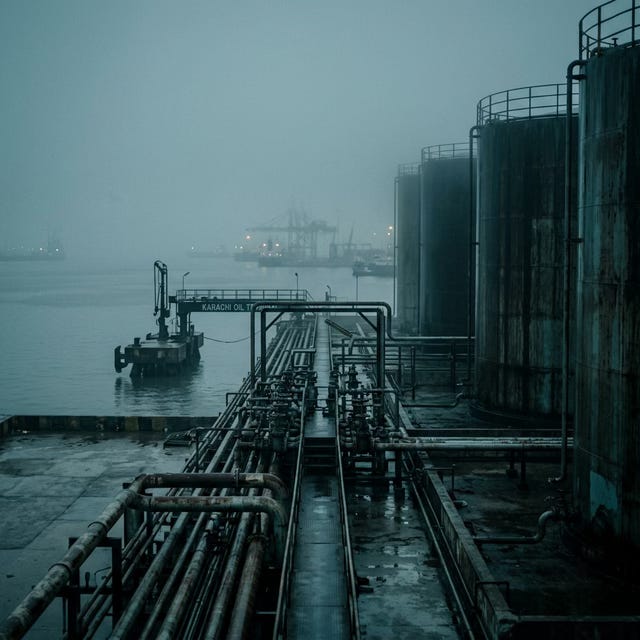
The consensus believes the conflict dictates the market. The reality is the insurance actuaries dictate the conflict’s market impact. The moment war-risk coverage is repriced and made available again—even at a steep premium—the physical flow resumes, and the extreme tail-risk pricing collapses. The structural arbitrageur is already preparing for the normalization of the plumbing, long before the political headlines change.
Regards,
Sovereign Dispatcher