

Key Takeaways:
The Formalized Shield: The US/Taiwan trade deal locks in $250bn of chip investment, transforming Taiwanese capex into sovereign insurance.
The Energy Reality: Validating our “Power the Processors” thesis, Mitsubishi has bypassed the spot market to acquire US gas assets ($7.5bn) directly, hedging the AI energy deficit.
The China Bloc Cracks: Cambodia, a staunch Chinese client state, is signaling a pivot to reduce reliance on Beijing, exposing the fragility of the Belt and Road under tariff pressure.
The Positioning: We are Constructive on Japanese Energy (Physical Hedge) and Cautious on Indian Exporters exposed to the new Iran sanctions regime.

THE ELECTION MIRAGE
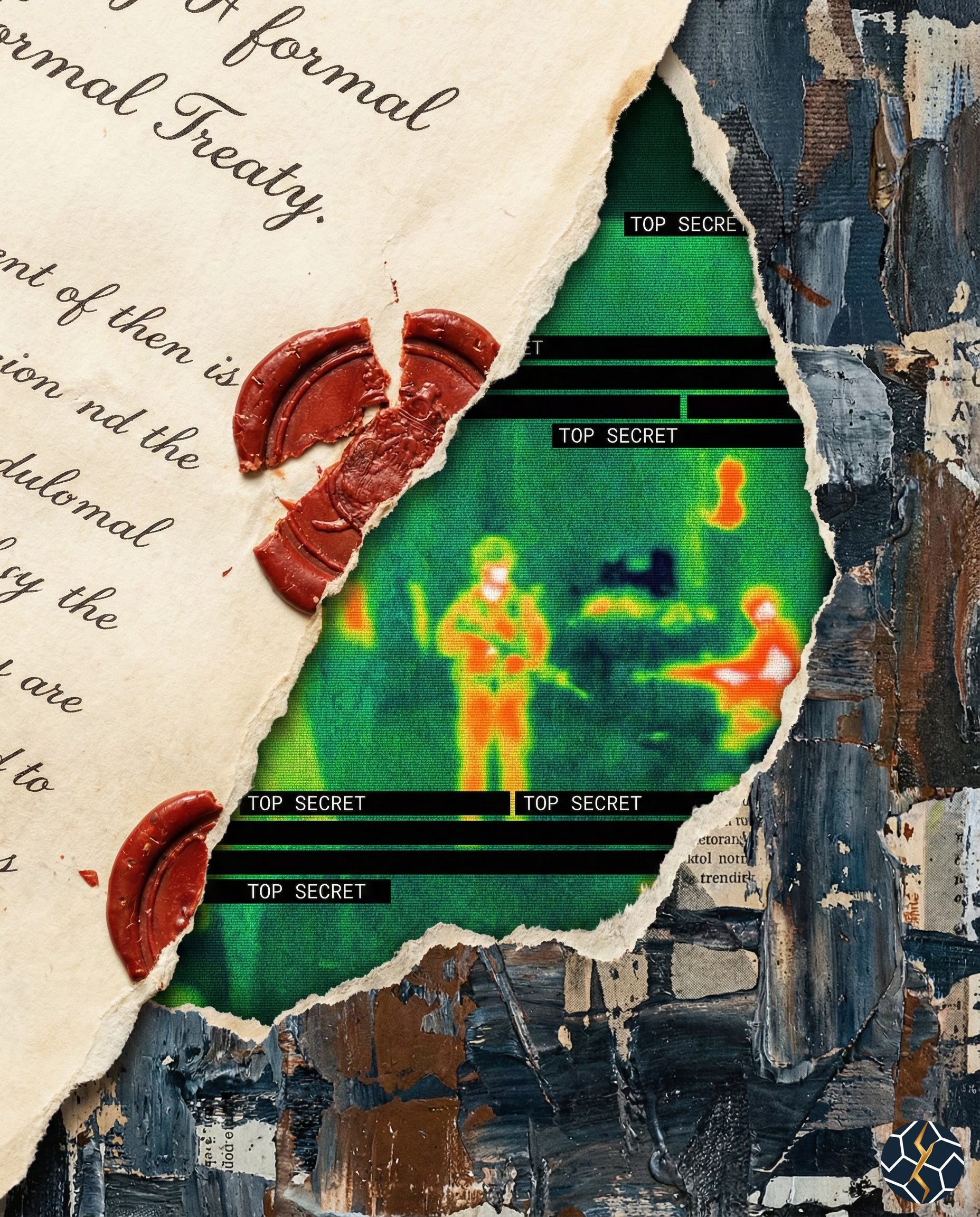
The market spent the week chasing the “Takaichi Trade,” actively suspending its disbelief regarding the geopolitical costs of the “Strong Japan” narrative. As noted in our 2026 Outlook, investors often mistake political consolidation for economic acceleration. While the Nikkei rallies on election talk and the “soft landing” hopes we critiqued last Sunday (Jan 11), the structural reality is a hardening of the “Silicon Wall.” The new US-Taiwan trade deal is not just about tariffs; it is a geopolitical treaty disguised as industrial policy. By tying trade access to a $250bn chip investment, Washington has effectively annexed the Taiwanese semiconductor supply chain into the US security architecture. The IMF’s Asia Regional Outlook warns of the costs of such fragmentation, but the market is treating this as a bullish “friend-shoring” event rather than a permanent bifurcation of the tech sector.
THE BLUE FLAME HEDGE (AI MEETS MOLECULES)
In our Wednesday note (Jan 14), we questioned the solvency of the “Mega Force” AI narrative; this week, Japan showed us how to hedge it. While the consensus buys Nvidia for the digital boom, the smartest capital in Tokyo is buying the physical feedstock. Mitsubishi Corp’s $7.5bn acquisition of US gas producer Aethon is a signal that the “AI Energy Deficit” is structural. The IMF baseline assumes energy markets will remain relatively efficient, but this deal suggests Japanese trading houses see a future where “Molecule Security” trumps spot market efficiency. This confirms our thesis that the AI trade is ultimately an energy trade. Japan is not just buying gas; it is buying the right to power its processors in a world where energy security is no longer guaranteed by global trade norms.
THE FRONTIER REALIGNMENT (CAMBODIA VS. INDIA)
The “Hard Partition” is forcing the Frontier to pick a side, creating divergent risks for Cambodia and India.
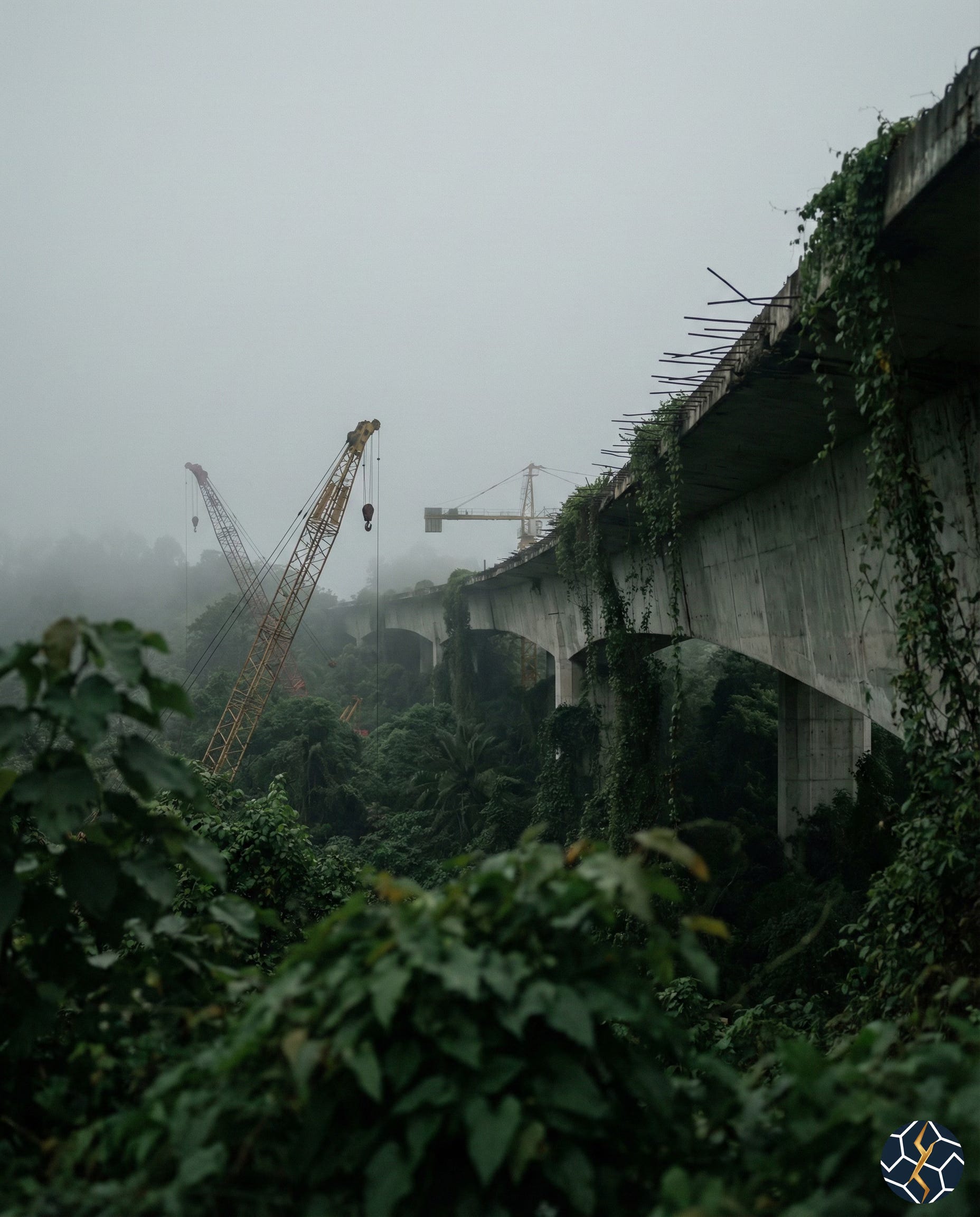
The Pivot: Cambodia, long considered a client state of Beijing, has signaled a plan to reduce reliance on China following the threat of US tariffs. This suggests the pain of market access denial is finally outweighing the benefit of easy credit, potentially stranding “White Elephant” infrastructure projects funded by the BRI.
The Trap: Conversely, India faces a new “Geopolitical Tax.” While we liked India for the “Energy Arbitrage” in Venezuela last week, the new 25% tariff on entities dealing with Iran puts India’s strategic Chabahar port investment in the crosshairs. The market prices India as a “Western Ally”; the plumbing shows it is geographically tethered to a region the US is actively fencing off.
THE WATCHLIST
Constructive on Japanese Energy (Mitsubishi): We view the acquisition of US gas assets as a “Physical Hedge” against the AI energy bottleneck. This is a durability play, distinct from the volatility of the tech sector.
Constructive on Taiwan Semi (Asset): Despite the geopolitical noise, the formalized US trade deal effectively underwrites TSMC’s capex as sovereign insurance.
Monitoring Cambodia: The pivot away from China introduces significant execution risk for sovereign debt projects but could open a long-term re-rating if they successfully diversify export markets.
Cautious on Indian Exporters (Selected): We are trimming exposure to Indian firms with supply chain linkages to Iran. The “Chabahar Risk” is a binary outcome that current spreads are not pricing.
THE PRICE OF CERTAINTY
“Forecasts create the mirage that the future is knowable.” As Howard Marks reminds us, the most dangerous moments occur when the market prices a single path forward. The consensus believes the US/China trade war is “priced in” and that the AI boom will be powered by grid efficiency. The events of this week—a hard partition in Taiwan and a rush for physical gas assets by Japan—suggest the future is far more kinetic and resource-constrained. We are maintaining our Constructive stance on the “Plumbing” (Energy/Infrastructure) while fading the “Euphoria” of the broad index.
Regards,
Sovereign Dispatcher